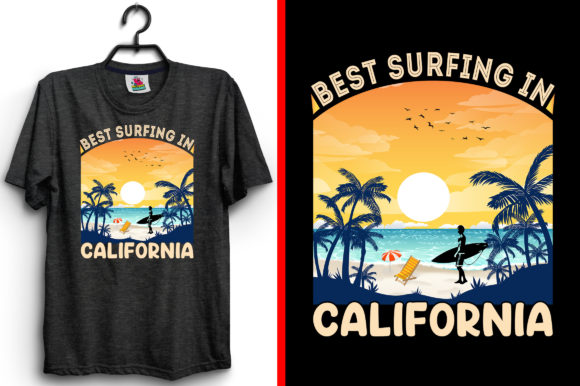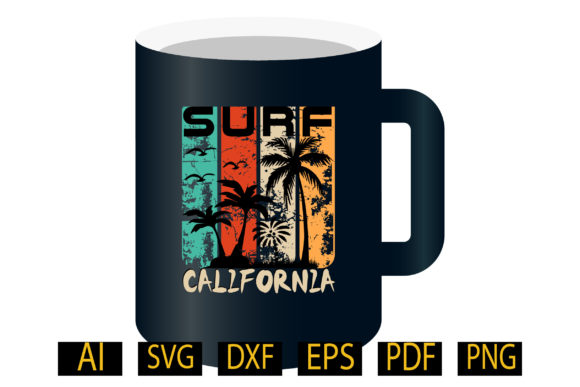
Surf California T Shirt Design: An Embroidery Review
As a professional designer who bridges the gap between digital assets and tangible textiles, I approach every new graphic with a specific question: will this actually stitch out well? When evaluating the Surf California T Shirt Design, my perspective shifts from screen to hoop. While this asset is marketed primarily as a Print Template for POD websites, its clean aesthetic and thematic clarity make it a compelling candidate for adaptation into a machine embroidery design. For fellow Etsy sellers, apparel decorators, and makers, understanding how a vector graphic translates to thread is the difference between a frustrated unpicking session and a best-selling handmade product.
First Impressions: Coastal Vibes and Stitch Potential
My initial assessment of the Surf California T Shirt Design focuses on its visual hierarchy and line weight. The layout captures a relaxed, retro-modern California mood that is currently trending in both boutique retail and personalized gifting markets. From an embroidery standpoint, the design’s strength lies in its distinct separation of elements. Unlike overly complex illustrations that turn into muddy thread nests, this graphic appears to have clear boundaries that could translate beautifully into defined stitch regions.
The typography and iconography suggest a natural division between satin stitch borders and fill stitch interiors. For a craft business owner, this is crucial. A design that requires excessive manual digitizing adjustments to prevent puckering eats into profit margins. This template feels structured enough to serve as a reliable foundation for a digital embroidery file, provided you verify the vector nodes are smooth before importing them into your digitizing software. The vibe is undeniably commercial yet personal, striking that difficult balance needed for successful small shop products.
Real-World Application: Stitching a Canvas Tote
To truly judge this asset, I mentally placed it onto a real project scenario rather than just a digital mockup. Imagine preparing a custom embroidered tote bag for a summer beach pop-up market. Totes are high-stakes items; the fabric is unforgiving, and customers expect durability. Using the Surf California T Shirt Design for this application requires strategic thinking about scale and stabilization.
In this scenario, I would treat the design as a centerpiece tote bag design. Because canvas has a coarse fabric texture, fine details can get lost. I would recommend scaling the design up to at least 5x7 inches to ensure legibility. If adapting this SVG yourself, consider converting thin script lines into running stitch accents or triple stitches rather than standard satin columns, which might sink into the weave. For the "California" text block, a textured fill stitch would add tactile interest that mimics the sandy, organic theme better than a flat tatami fill. This practical adaptation transforms a flat graphic into a premium finished product that justifies a higher price point at craft fairs.
Navigating Fabric Challenges and Hoop Limitations
While the Surf California T Shirt Design has strong bones, not all substrates are created equal. As an experienced reviewer, I must highlight where caution is necessary. If you plan to use this for baby embroidery on ribbed onesies or stretchy jersey knits, the design’s density becomes a critical factor. Large blocks of dense stitching on lightweight knitwear will cause significant distortion, even with proper stabilizer.
For stretchy fabrics, I advise modifying the design to be more open and airy. Reduce the stitch density in fill areas by 10-15% and utilize cutaway stabilizers exclusively. Conversely, if you are working with dark fabrics, remember that this design was likely conceived for light backgrounds. You may need to add a white underlay or adjust thread colors to maintain contrast. Additionally, be wary of using this on curved surfaces like caps unless you have confirmed the aspect ratio fits your specific cap frame. The horizontal spread typical of surf graphics often exceeds the vertical limitations of standard hat hoops, requiring a redesign or split-hooping strategy that adds production time.
Commercial Viability for Makers and Sellers
For the Etsy seller or creative entrepreneur, the value of any asset is measured by its versatility and customer appeal. The Surf California T Shirt Design scores highly here because it taps into evergreen lifestyle niches. It works equally well as sweatshirt embroidery for fall collections or as a breezy accent on linen tea towels for summer home decor. This cross-seasonal utility maximizes your return on investment for the design asset.
From a branding perspective, consistency builds trust. Using this cohesive graphic style across multiple products—from custom apparel to nursery decor—creates a recognizable shop identity. However, professionalism extends beyond aesthetics. Before listing any item derived from this template, you must rigorously confirm the licensing terms. While the product description mentions suitability for POD stores, commercial embroidery rights can sometimes differ from print-on-demand rights. Always verify that your specific usage case is covered to protect your business integrity and avoid platform penalties.
Essential Designer Notes for Successful Execution
Transitioning from a Print Template to a stitched reality requires diligence. Here are my non-negotiable checkpoints for anyone using the Surf California T Shirt Design in an embroidery context:
- Test Before Selling: Never run a new design directly on a sellable garment. Always test on scrap fabric that matches your final substrate’s weight and stretch. Check for registration errors between color changes.
- Verify File Compatibility: The product includes 1 SVG file. Ensure your digitizing software imports vectors cleanly without stray nodes. If purchasing a pre-digitized version elsewhere, confirm the embroidery file format matches your machine (PES, DST, JEF, etc.).
- Analyze Stitch Count: Since specific counts aren't listed, generate a test run to estimate production time. A design that looks simple but contains 40,000 stitches might not be profitable for low-margin items.
- Mockup Realistically: Use printable mockup tools that simulate thread texture rather than flat color. This helps identify potential contrast issues before you thread a single needle.
- Stabilizer Selection: Match your backing to the fabric, not the design. Tear-away for stable wovens, cut-away for knits, and water-soluble toppings for textured fabrics like terry cloth or fleece.
- Detail Inspection: Zoom in to 400% in your software. Text smaller than 6mm often fails in embroidery. If the Surf California T Shirt Design includes tiny taglines, enlarge them or remove them to maintain clarity.
Final Verdict on Design Adaptability
The Surf California T Shirt Design represents a solid starting point for makers looking to expand their summer inventory. Its aesthetic aligns perfectly with current market demands for nostalgic, location-based apparel and accessories. However, its success as an embroidery project hinges entirely on the user's willingness to adapt the vector art for textile realities. By respecting fabric limitations, verifying technical specifications, and testing thoroughly, this graphic can evolve from a simple digital template into a signature element of your handmade brand. Whether you are creating a personalized gift for a friend or stocking your online store for the tourist season, approaching this design with a stitcher’s mindset ensures the final result is as durable as it is beautiful.