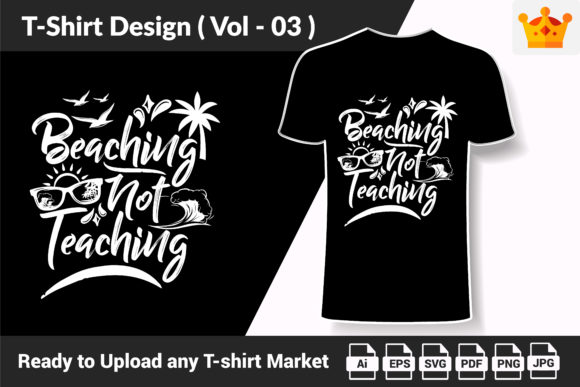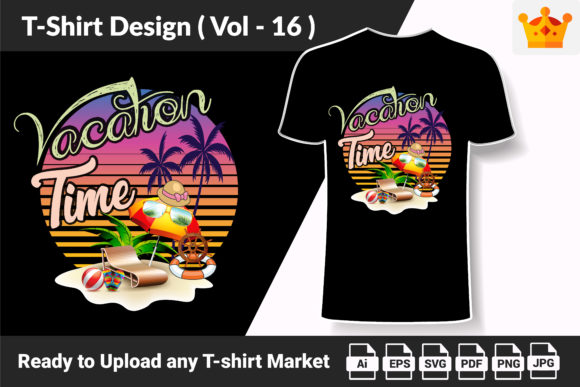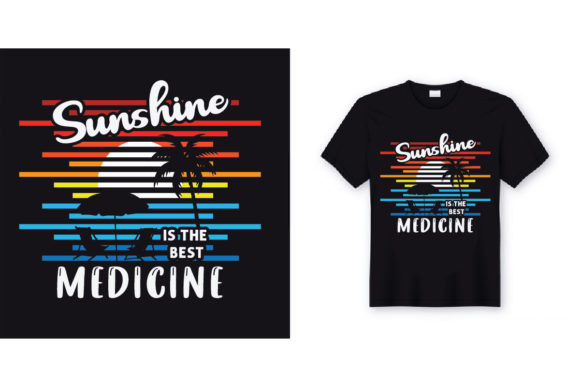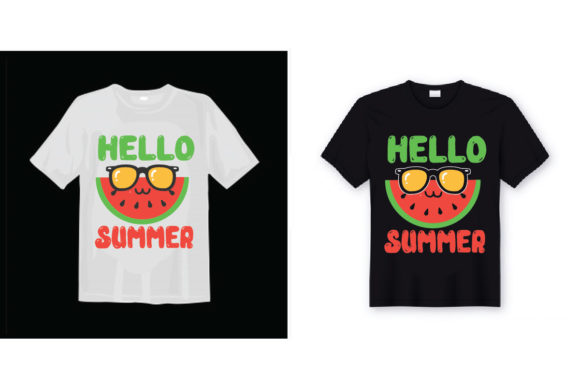
Watermelon Summer T-shirt Design: An Embroidery Review
As a professional designer and product reviewer who spends countless hours testing digital assets for real-world production, I approach every new graphic with a critical eye. When evaluating the Watermelon Summer T-shirt Design, my first thought isn't just about how cute it looks on a screen, but how it will translate into thread on fabric. This review breaks down the practical application of this artwork for embroidery designers, Etsy sellers, and makers who need reliable design assets for their summer collections.
First Impressions and Visual Personality
The immediate mood of the Watermelon Summer T-shirt Design is undeniably cheerful and nostalgic. It captures that quintessential summer vibe without feeling overly juvenile, which makes it versatile for both kids' apparel and adult casual wear. Visually, the layout appears balanced, suggesting it was created with print templates in mind. However, as an embroiderer, I am looking at the line weight and color separation. The graphics provided include high-quality JPG files and transparent PNGs, which are excellent starting points for digitizing or sublimation.
For those using this as a base for a machine embroidery design, the bold shapes typical of watermelon motifs usually digitize well. They allow for clean satin stitch borders and manageable fill stitch areas. The "black white" variation mentioned in the product details is particularly valuable. In embroidery, having a monochrome version allows you to test stitch density and structural integrity without the distraction of multiple thread colors. It also serves as a perfect template for creating an embroidered patch where contrast is key.
Real-World Application: Stitching a Custom Tote Bag
To truly evaluate this asset, I mentally applied it to a recent client request: a set of custom canvas tote bags for a summer beach boutique. Canvas is a textured fabric that can be unforgiving with fine details. Here is how the Watermelon Summer T-shirt Design holds up in this scenario.
The graphic’s simplicity works in our favor here. Large blocks of color mean we can use tatami or fill stitches that cover the canvas weave effectively without requiring excessive stitch density. If the design were too intricate, we would risk needle damage or puckering on the heavy fabric. For this tote bag project, I would likely treat the watermelon slices as applique designs rather than full embroidery. Using the transparent PNG as a cutting guide for cotton fabric pieces, and then securing them with a running stitch and satin border, creates a handmade product that feels premium and lightweight.
This approach reduces the total stitch count significantly, making the commercial embroidery project more profitable while maintaining a soft hand-feel. Customers shopping at boutiques often prefer applique over dense embroidery on summer items because it breathes better and looks more artisanal. The visual clarity of this specific design ensures that even from a distance, the watermelon theme is instantly recognizable, boosting buyer engagement for your shop.
Navigating Fabric Challenges and Hoop Sizes
While the design shines on stable fabrics like canvas or denim, caution is required when adapting the Watermelon Summer T-shirt Design for stretchy knits or delicate baby clothes. Summer t-shirts are often made of lightweight jersey or tri-blend materials. These fabrics shift easily under the needle.
If you are planning sweatshirt embroidery or custom apparel on performance wear, you must verify the stabilizer requirements before committing to a production run. A cut-away stabilizer is non-negotiable for knits to prevent the design from distorting after washing. Additionally, consider the hoop size. While the digital graphic may look large, scaling it down for a baby onesie or a cap requires checking if the details remain distinct. Tiny lettering or thin rind details might get lost or cause thread breaks if reduced below a certain threshold. Always run a sew-out test on scrap fabric that matches your final project's weight and texture.
For dark fabrics, the black and white file format becomes your best friend. You can invert the design or adjust the underlay to ensure the bright reds and greens pop against navy or charcoal backgrounds. Without proper underlay planning based on these graphics, the top threads might sink into the dark fabric, muddying the vibrant summer aesthetic.
Commercial Viability for Makers and Sellers
For Etsy sellers and small business owners, the versatility of this graphic extends beyond just stitching. Because the package includes high-resolution formats, it serves dual purposes. You can use the transparent PNG to create printable mockups for your listings before you even thread a needle. This is crucial for validating market interest. Showcasing a digital preview of the Watermelon Summer T-shirt Design on a lifestyle photo helps gauge customer reaction and build trust in your brand consistency.
Furthermore, this design fits seamlessly into various niches. It works as a standalone motif for holiday gifts, a repeating pattern for kitchen towels, or a centerpiece for nursery decor. The "colorful t-shirt design" aspect appeals to parents looking for personalized gifts, while the cleaner lines appeal to adults wanting subtle seasonal wear. As a creative entrepreneur, owning versatile graphics like this allows you to maximize your return on investment across multiple product categories.
Essential Designer Notes Before Production
Before you load this design into your software or send it to production, keep these practical checkpoints in mind:
- Verify Licensing: Always confirm whether your purchase includes commercial rights for selling finished physical products versus selling the digital embroidery file itself. These terms differ significantly.
- Check File Compatibility: The product provides JPG and PNG formats. Remember that these are image files, not stitch files. You will need to digitize them or hire a digitizer to convert them into DST, PES, or other machine-specific formats unless you are doing direct-to-garment printing or sublimation.
- Test Thread Colors: Screen colors rarely match thread charts perfectly. Use the colorful JPG as a reference, but select your rayon or polyester threads based on physical swatches to ensure the watermelon red doesn't look orange in natural light.
- Evaluate Stitch Density: If you are digitizing this yourself, aim for lower density on summer garments to maintain drape. Heavy fill stitches on a light tee will result in a stiff, uncomfortable shirt that customers won't want to wear.
- Mockup Testing: Utilize the transparent background file to test placement digitally. Ensure the design sits correctly within the safe print or stitch area of your chosen blank, accounting for seam allowances and collar drop.
Final Thoughts on Quality and Presentation
The Watermelon Summer T-shirt Design offers a strong foundation for summer merchandise, provided it is handled with technical care. Its success lies in its adaptability; it is simple enough for beginners learning applique but stylistically sound enough for established brands updating their seasonal inventory. Whether you are creating a personalized gift for a family reunion or stocking your online shop with fresh summer tees, this graphic delivers the necessary visual appeal.
Ultimately, the value of any design asset is determined by the quality of the finished product. By respecting fabric limitations, testing your stabilization methods, and leveraging the included file formats for both production and marketing, you can turn this digital graphic into a tangible, profitable reality. Professionalism in embroidery isn't just about the machine; it is about the thoughtful preparation that happens before the needle ever pierces the fabric.